Brain tumours in children
What you need to know about brain tumours in children
Learning that your child has a brain tumour is something no parent should have to deal with.
It can be the start of a long and painful journey with a hundred impossible decisions to make and a thousand difficult questions to answer. If it happens to you, it can feel like your world is being turned upside down.
But you don’t have to go through this alone. We are here to support you.
Giving you the information you need
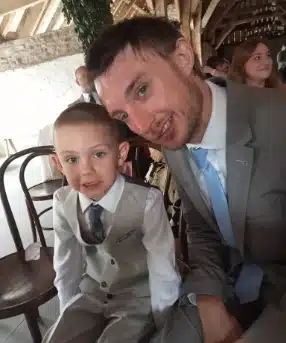
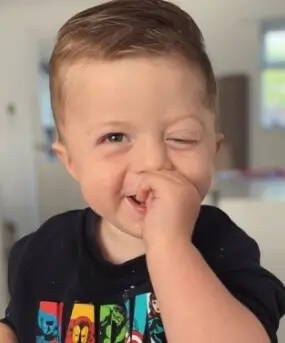
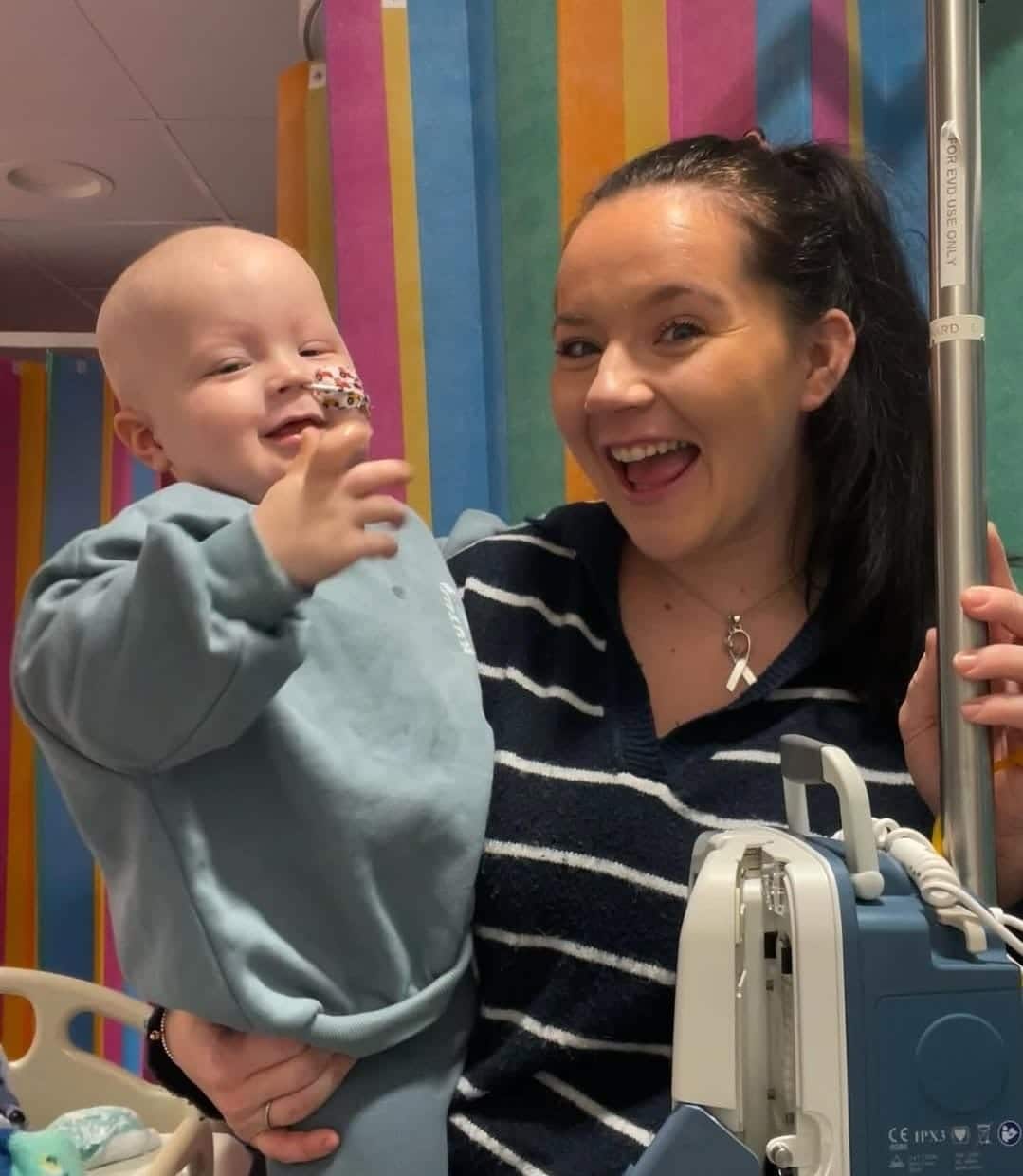
Our founder and chair, Marie, has been in your position. Two of her sons – Oscar, nine, and Milo, five – were diagnosed with different types of brain tumour.
These pages are here to give you all the information you need to make the best decisions for your child. We have tried to cover as much as possible, but if the answers you are looking aren’t here then contact us.
If we can help support you in any other way, please get in touch.
What is a brain tumour?
A brain tumour is a collection of cells that have grown in an uncontrolled way. They can start in any part of the brain, and are usually named after the type of cell they develop from or the area of the brain they are growing in. Some brain tumours may start after spreading from other areas of the body.
Tumours in children differ from those in adults in their growth patterns, treatment plans and long-term effects, so it is important to be aware of the differences.
What to watch out for
It’s easy to be paranoid when it comes to your child’s health. Most of the time, things you fear could be signs of a brain tumour will turn out to be completely normal. The symptoms you need to watch for include constant headaches, unexplained vomiting, changes in vision, trouble with balance (even falling over or being unable to sit up straight), seizures, and changes to your child’s behaviour. These symptoms are very common in childhood illnesses so may be seen frequently in healthy kids. It’s when they keep happening or multiple signs emerge that it might be a problem. Symptoms differ based on where and how big the tumour is.
If you’re worried your child’s symptoms could be something serious, make an appointment with your GP to get them checked out.
Often worse in the morning
Unexplained vomiting or nausea
Can be fits or lapses
such as lack of motivation and irritability.
Memory loss, changes in speech, vision or hearing.
Dizziness, head-tilt, clumsiness and so on
Unexpected fatigue and extreme tiredness
such as abnormal eye movements, blurring or double vision
- Babies
- Childs
- Teens
Brain Tumour Tests
If your doctor suspects your child has a brain tumour, they will refer them to a paediatrician who will want to carry out a number of tests to find out for sure. These can include blood tests, MRI or CT scans, a biopsy, lumbar puncture or other neurological tests.
It is understandable that you may be worried about these further tests and what comes next. Some of these tests may seem scary or intimidating to your child. It’s important to reassure your child that the doctors are doing these tests to try to find out how to make them better. The key thing is your child’s medical team want the best for your child and these tests will help them work out how best to proceed.
Brain Tumour Treatments
If tests show that your child does have a brain tumour, you are likely to experience a wide range of emotions. That is perfectly natural. What you must remember is that the doctors, nurses, surgeons and other medical staff who will give your child the best care they can.
A diagnosis of a brain tumour – no matter how scary that sounds – is not the end of the road. A specialist medical team will create a treatment plan tailored specifically to your child’s needs. Doctors will include you in the decision-making process, so feel free to ask them as many questions as you need.
The main treatments for brain tumours are surgery, chemotherapy or radiotherapy. The aim of neurosurgery is to physically remove as much of the tumour as possible during an operation under general anaesthetic. Chemotherapy uses medicine to kill cancer cells throughout the body. It can be given in pill form, or intravenously (into a vein) through a tube in the hand, arm or chest. Radiotherapy uses powerful rays of radiation that target and destroy the cancer cells in a specific area. You may also hear of steroids being used to treat the side-effects of the brain tumour.
Treatment can be one of these or a combination depending on the care plan your child has
Grades of Brain Tumours
Your doctor might talk about the “grade” of tumour your child has. Tumours are given grades to indicate how aggressive they are and how likely they are to grow and spread. Low grade tumours tend to be less aggressive than high grade.
Types of Brain Tumors
Medulloblastoma is a common type of childhood brain tumour in the UK that affects balance and coordination and is fast-growing.
Astrocytoma develop from star-shaped cells called astrocytes that nourish and support brain neurons. These tumours vary in grade and can appear in different parts of the brain.
Ependymomas start in the ependymal cells in the fluid-lined areas of the brain and spinal cord. They are more common in under-5s
These are childhood brain tumours near the pituitary gland which are non-cancerous, but can cause significant health issues due to their location near critical brain structures.
Diffuse Intrinsic Pontine Glioma (DIPG) -also known as Diffuse Midline Glioma (DMG) – are rare and very aggressive (high grade) tumours which are very challenging to treat.
Find out more about other brain tumours
People Share Their Experience
What You Need to Know
Do you need any help or assistance?
Make a Donation
You can donate at our JustGiving page or using the form below.