Living with brain tumours
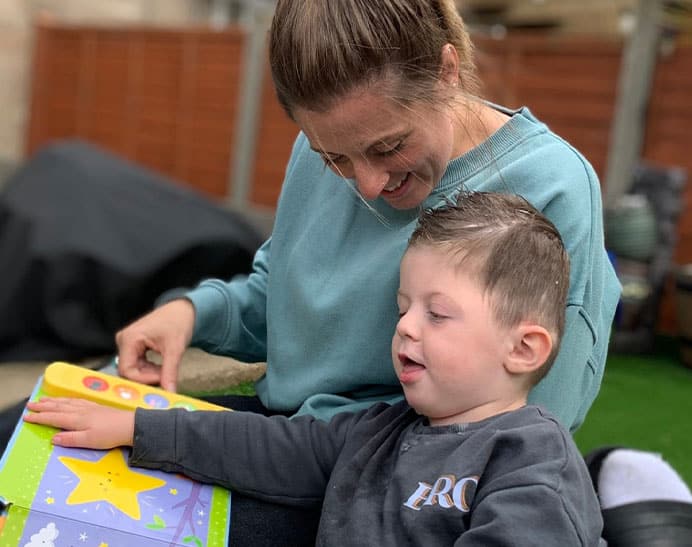
Recovery takes time
Once your child finishes their treatment, life may not return to how it was before the diagnosis.
Recovery takes time, and you and your family may need to adjust to a ‘new normal’, which can mean adapting to various physical challenges. These issues can impact your child’s daily life, mobility, and overall well-being. But remember – you’re not alone.
Doctors will continue to monitor your child’s health regularly for the next few years. This follow-up care ensures that any problems caused by the brain tumour or the treatment can be spotted early.
Living with Brain Tumours: Insights & Guidance
For some children whose tumour is gone, they may need continual monitoring. For others it may be a case of coming to terms with a long-term condition.
We hope these insights and guidance will help you handle the physical challenges that your child might face after a brain tumour. Our goal is to make sure you’re well-equipped to manage the road ahead.
If we can help support you in any other way, please get in touch
Late effects
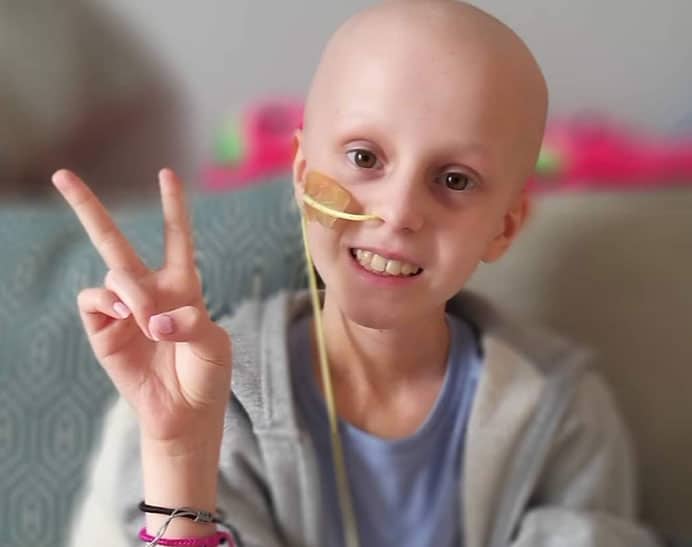
‘Late effects’ of a brain tumour refer to the health challenges that can arise after the treatment is over. Effects can emerge months or even years later. These late effects are the result of the impact of the tumour, or the treatments used.
The effects vary depending on the age of the child, the type, age and location of the tumour. Physical late effects can include seizures, hearing or vision loss, mobility problems or speech problems. Seeing your child suffer these symptoms can be deeply upsetting. Recovery can be a long process, and it varies from child to child.
This can leave parents feeling uncertain. But remember you’re not alone, we are here to support you through the whole journey.
Doctors will inform you about the possible side effects and what late effects they may experience. In some cases, health problems can continue after treatment has finished. Some of these conditions are listed below in more detail.
After Treatments and Follow Ups
The effects vary depending on the age of the child, the type, age and location of the tumour.
Physical late effects can include seizures, hearing or vision loss, mobility problems or speech problems.
Behaviour and Personality Changes
Children with brain tumours might show changes in their behaviour and personality due to the stress of illness and missed activities. These changes can happen because of the brain tumour itself or the treatment.
As your child’s brain is still developing, you might not spot some of the changes for years.
These changes can be challenging, so don’t be afraid to seek help.
If the behaviour issues persist, talk to your healthcare team and their school for support. Any behavioural changes – and their extent – vary from child to child, and may not necessarily happen to your child.
Some behavioural issues your child may develop are:
Cognitive changes: Some children may have trouble remembering things or thinking clearly. Rehabilitation and educational support can be valuable in addressing these challenges.
Emotional and behavioural changes: Feeling sad, worried, or upset can happen because of the emotional toll of the tumour and treatment. Talking to counsellors or therapists can make things easier.
Physical issues
Seizures: Some children may continue to have seizures after the treatment. Your child’s medical team will work with you to try and keep these under control with medication.
Moving and feeling: Depending on where the tumour was, sometimes children can develop weakness, paralysis or sensory issues. Physical therapy and occupational therapy can help.
Vision and hearing: Tumours that developed near the optic nerve or auditory pathways can affect their vision and hearing. Regular check-ups with specialists can help manage this.
Hormones: Sometimes tumours, particularly those located near the pituitary gland, affect hormone production. This can cause hormonal imbalances that affect growth and puberty. Doctors will monitor this. In some cases children are given Hormone Replacement Therapy (HRT).
Diabetes insipidus: This can make your child’s body have difficulties controlling the production of urine leading to increased thirst and a greater need to go to the toilet. Medics can monitor and help.
Any physical long-term effects largely depend on the location of the brain tumour and the type of treatment your child received. These effects usually improve with time, although certain changes might persist in the long run. Talk to your healthcare team to explore the most effective strategies for managing these effects and ensuring your child’s well-being.
Survivor's guilt and other mental health conditions
It is normal for children to feel a mix of emotions, including guilt, when they see others still having treatment. They might wonder why they got better and not the others. This is a natural and complex emotional response after overcoming a brain tumour.
It is important to have open conversations with your child about their feelings and reassure them that they shouldn’t feel guilty about their recovery. Help them understand that everyone’s journey is different and to focus on their own recovery.
An increased level of anxiety about what has happened to them and what may happen in the future is common and understandable. Frustrations with how life is for them now and things they have missed out on can lead to depressive thoughts.
Support groups, counsellors and therapists can help them deal with their emotions.
Parents can also suffer from all of this and it may hit you when you least expect it. We understand that parents often feel everything that is happening to their child as if it is happening to them. Support groups are there for parents too, to help them work through their emotions. Connecting with other parents who have gone through similar experiences can provide valuable support and help you process these emotions. We can help you build these relationships with others who have been or are in your situation.
At OSCAR’s we are very much there to help find you and your child the support you need to manage your mental health at whatever point in the paediatric brain tumour pathway you are at.
Fatigue
Some children can experience fatigue for months or years after finishing their treatment. Fatigue is different from everyday tiredness – it’s more of an emotional and physical exhaustion that never goes away entirely. It can often be overwhelming and affects many everyday activities. There is no cure for fatigue, so it is important to manage it.
Many people have found the ‘Five Ps’ helpful.
Plan: Create a daily schedule that outlines the tasks they need to complete, and work out which will be the most physically demanding.
Prioritise: Choose the most important tasks from the plan. Focus on tasks your child is motivated for, and consider postponing less important ones.
Pace: Encourage your child to go at their own pace, and reassure them it’s OK for them to take longer to do things than their friends. Introduce breaks during longer activities to let them rest.
Posture: Be mindful of how your child sits or stands to manage their fatigue. Sitting down to do certain tasks can help conserve their energy.
Permission: When dealing with energy, permit yourself to ask for help, and encourage your child to accept help when they need it.
If fatigue is impacting your child’s life, mention it to your healthcare or aftercare team. They may be able to treat some of the factors that could be causing your child’s fatigue, such as pain relief, or help with anxiety or depression.
Acquired brain injury
The presence of a tumour – and the subsequent treatment – causes damage or injury to the brain. This is referred to as an acquired brain injury (ABI), meaning your child wasn’t born with it and it was caused by the tumour and/or treatment. The amount of support your child may be able to receive may be increased when associated with ABI.
Posterior fossa syndrome
Posterior fossa syndrome is a condition that can happen after surgery to remove a tumour located in the back of the brain, specifically the posterior fossa area. It develops in around 20% of children with medulloblastoma.
This syndrome can lead to a range of challenges. Symptoms may include difficulty with speech, movement, balance, and coordination. They may have weakness on one side of their body, difficulty swallowing or facial paralysis on one side.
The length of time this condition lasts varies from child to child but symptoms do reduce or disappear with treatment. Medical professionals can help, such as a speech therapist, occupational health therapist or physiotherapist.
Bedwetting
Bedwetting can be an upsetting side effect of treatment, particularly for older children and teens.
There are several reasons why this may happen:
- Some of the medications increase thirst, and drinking more increases the likelihood of bedwetting
- Disturbed sleep from steroids, nightmares or anxiety also makes bedwetting more likely
- Stress and trauma. The treatments can sometimes make children regress to childhood behaviours like thumb-sucking, tantrums and bedwetting.
What do I do if my child wets the bed?
- Don’t punish them, that will only add to their distress
- Adopt an attitude that it’s “no big deal”
- Don’t let your child drink anything sooner than two hours before bedtime
- Put a plastic sheet on the bed under their regular sheet
- Use absorbent underwear
- Suggest setting an alarm in the middle of the night so your child can go to the toilet
- Give your child lots of reassurance and cuddles
As bedwetting can be caused by emotional triggers – not just by medication – it can continue for some time after treatment finishes.
Who can help?
There are lots of professionals who can help with the long-term care and rehabilitation of your child. They may be referred to a late-effects team who will guide you through the after-care and monitor your child’s well-being in the years to come.
Professionals who may help are:
Occupational therapist: They help your child recover from difficulties caused by their illness, and work on skills for daily life and independence.
Physiotherapist: These health workers use exercises and massages to help your child move better and keep balance. They give advice on managing movement.
Speech and language therapist: They check whether your child has trouble communicating, eating, or swallowing, and suggest exercises to treat the issue.
Acquired brain injury specialist: Some hospitals have a specialist who helps children with brain injuries during recovery.
Disability coordinator (for higher education): If your child is in higher education, this coordinator helps with extra support needed for learning.
Neuro-oncology clinical nurse specialist: They connect your child’s medical, nursing, and practical needs. They provide guidance and referrals for different services.
Epilepsy nurse: They offer advice and support for epilepsy-related concerns.
My child’s brain tumour has returned
It can be devastating to hear your child’s brain tumour has returned and it is normal to feel very emotional. You may be in shock at first or overwhelmed. Denial, anger, sadness and anxiety are all normal emotions to experience at this time.
This can be called a ‘relapse’ or a ‘recurrence’. This usually happens in the same area as the first tumour. About 70% of paediatric brain tumours do not recur.
Treatment options are the same as the first tumour, but the exact treatment plan will depend on your child’s specific needs. A specialist team of medics will create the plan, and take their previous treatment into account.
Some people choose to appoint a member of their family or a friend to be a spokesperson and share the news with others. This stops you having to repeat the same conversation.
You are the best judge of when and how to break this news to your child, but you can ask your healthcare team for advice. You may want to tailor how much information you tell them so as to not overwhelm or confuse them. Your child may be very emotional at the news, and it is important for them to express their feelings.
Please get in touch with us if you feel you need advice or support regarding anything mentioned on this page.