Diffuse Intrinsic Pontine Glioma (DIPG) -also known as Diffuse Midline Glioma (DMG) is most often very aggressive (high grade).The tumour develops in an area of the brainstem called the pons which controls vital functions like breathing, heart rate and some sensory information. DIPG typically affects children between five and nine years old.
There’s no easy way to say this, but it is very challenging to treat, with limited options at present. Unfortunately, the chance of recovering from DIPG is very low.
The exact symptoms your child may experience will depend on the tumour’s size, location and grade, but can include:
Read more about the different signs and symptoms of brain tumours – Click here
To diagnose a DIPG, your doctor will run some tests to figure out the size and location of the tumour.
The tests could include:
Read more about testing for brain tumours – Click here
DIPG is currently incurable. Unfortunately less than 10% of children survive past two years. Surgery isn’t an option due to the tumour’s location in the brain stem, and chemotherapy doesn’t work on this type of tumour. Steroids are often the first treatment. Radiotherapy can be used to relieve symptoms but the effects are usually temporary and short-lived. There is only one current UK clinical trial, and some European and worldwide ones all with stringent selection criteria. We can find more information about this for you if you choose to. You can also ask your medical team.
Facing a DIPG diagnosis can be emotionally overwhelming for families. OSCAR’s are here to provide support during this difficult time. Dealing with news of a DIPG diagnosis is difficult, and we want to give you all the information you need to navigate this challenging journey.
The primary focus for a child with DIPG is improving the quality of their life. This includes pain management, symptom relief and looking after the child’s emotional needs. This is called palliative care.
Palliative care for a child with a brain tumour aims to improve their quality of life. It’s provided by a team of healthcare professionals who specialise in making your child as comfortable as possible, both physically and emotionally. This care can begin at any stage of the illness, not just at the end of life.
The focus is on managing pain, symptoms, and side-effects of treatment, while also addressing the child’s emotional and psychological needs. Palliative care includes support for the child’s family as well, offering guidance and assistance during a challenging time. The goal is to help the child and their family cope with the illness, make informed decisions, and provide comfort and dignity throughout the journey.
We know how difficult it must be if your child’s had this diagnosis.
If we can help support you in any way, please get in touch here.
We hope this page helps you feel informed and supported on your path with DIPG Tumours. At OSCAR’s we’re here for you every step of the way, offering hope, encouragement, and resources to help you and your loved ones face this challenge with courage and resilience. Remember, you are not alone – we stand together in this fight against DIPG Tumours, committed to making a difference in the lives of those affected.

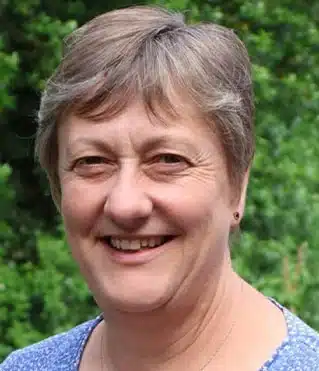
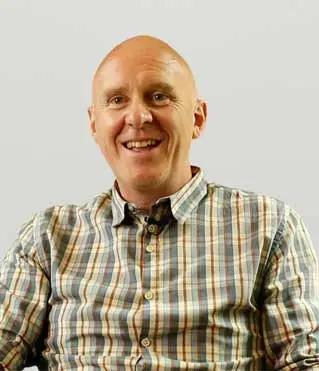
Matthew Taylor is Director of the York Health Economics Consortium at the University of York. He has been a supporter of OSCAR’s since its inception and, through his twenty years of research into the measurement of health-related quality of life, Matthew is keenly aware of the huge benefits that new treatments can bring to people living with brain tumours.
Matthew is actively involved in national-level healthcare decision making, having had former roles as the Scientific Director of the National Institute for Health and Care Excellence (NICE)’s Economic and Methodological Unit and as a committee member for NICE’s Public Health Advisory Group. He has over fifty peer-reviewed scientific publications, including a chapter in the textbook ‘The Business, Policy and Economics of Neurosurgery’.
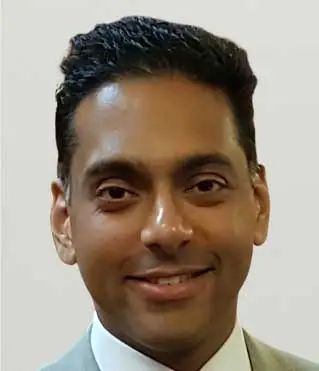
Ryan Mathew is an Associate Professor at the University of Leeds and an Honorary Consultant Neurosurgeon at Leeds Teaching Hospitals.
The Hughes Family story had a big impact on Ryan. He first learnt of the charity when he became surgeon to Oscar’s dad, Ian. After a successful surgery, he continued to show great care and concern for the family when Ian became ill again and when Milo, Oscar’s brother, was diagnosed with a brain tumour. Ryan is driven to make life outcomes better for brain tumour patients and their families. His extensive work in both research and surgery is testament to that commitment.
His clinical practice covers the full spectrum of general neurosurgery with a subspecialty in brain tumours. His research focuses on advanced brain tumour models, residual therapy-resistant glioma cell populations, local therapeutic treatments and surgical technologies and devices. He peer-reviews for several journals and grant award committees and has published numerous papers.
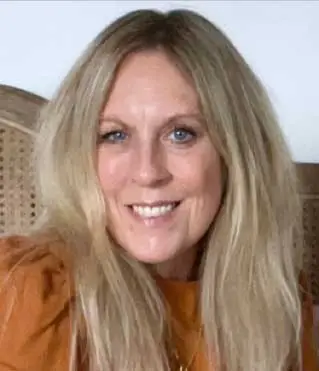
Lisa has been a friend of the Hughes family since 2016 and was honoured to be asked in 2022 to represent OSCAR’s PBTC as Social & Digital Trustee. Both Lisa and her family have taken part in numerous fundraising events and are dedicated to raising awareness of paediatric brain tumours. Lisa is a social media content creator, blogger and writer and lives in York with her husband Joe and three children, Ella, Max and Leo.
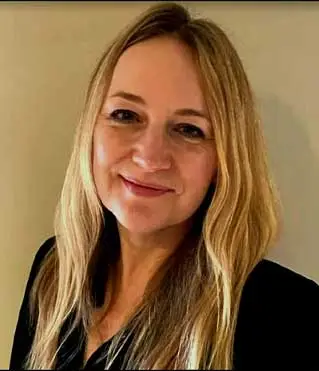
Alice has been involved with OSCAR’s PBTC since 2020. She passionately supports the aims of the charity and believes that if the charity can change one life for the better, then it is a success. Working in the public sector for 18 years, Alice has helped transform Adult and Children’s Social Care Services by ensuring heavy investment in preventative services. This is why the impact OSCAR’s work will have on families is at the forefront of Alice’s motivation to be involved.
As partnerships trustee, Alice is keen to involve businesses, trusts and individuals in the work OSCAR’s does and show them the role they can have in providing the base for the charity to continue to expand its projects to help children with brain tumours.
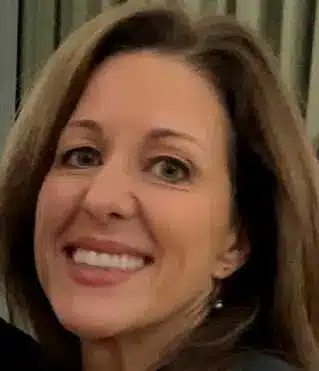
Sarah has over 20 years of experience in the pharmaceutical and surgical sales sector and is very familiar with the importance of medical advancements for better patient outcomes. She believes research is essential for improving diagnosis, treatment and prognosis for all children with brain tumours and hopes OSCAR’s PBTC can offer much needed funding to help push the boundaries in finding better ways of curing this devastating disease. Sarah’s focus as a treasurer will ensure record-keeping and accounts meet the conditions of the statutory bodies and compliance with regulatory organisations.
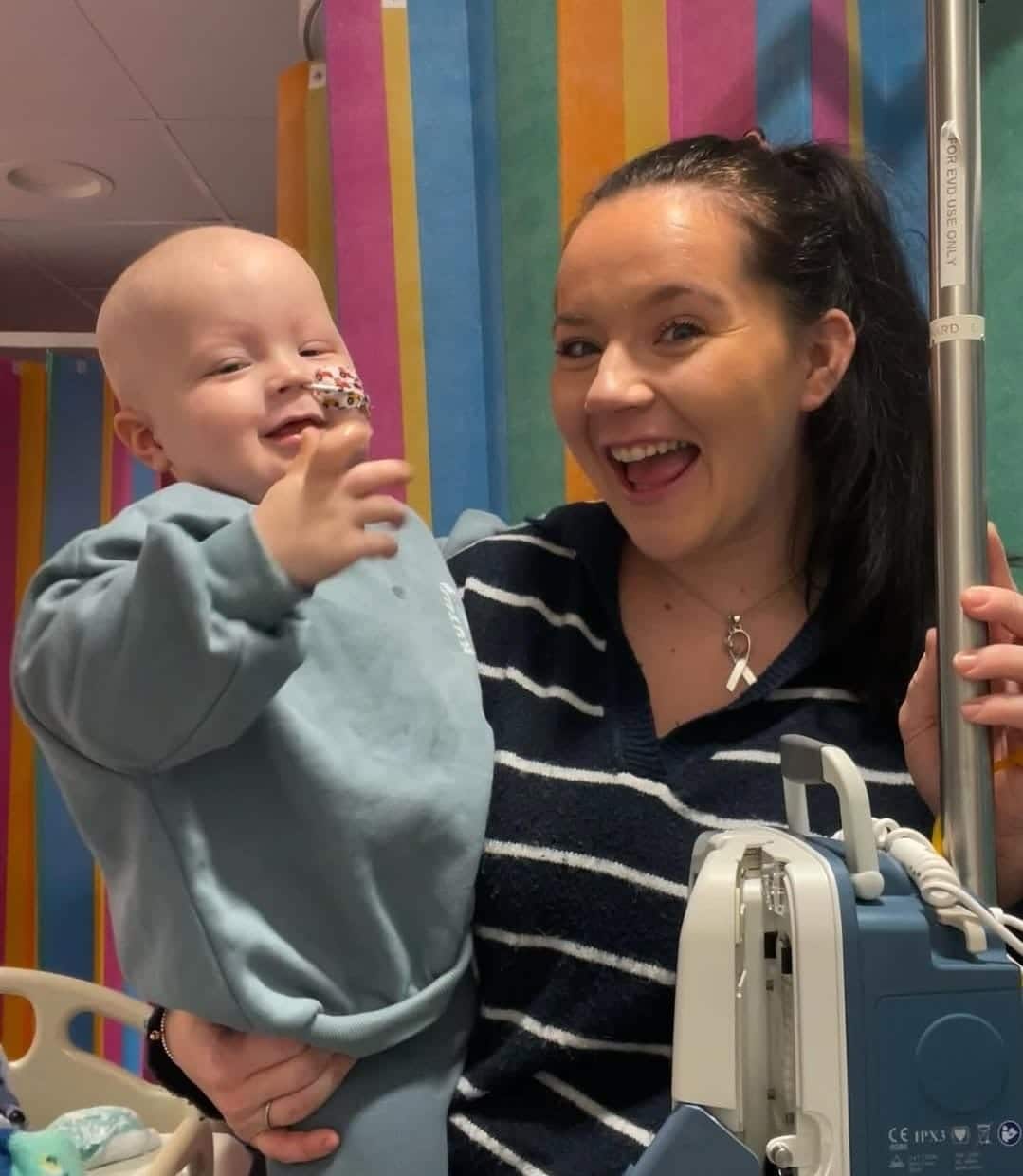
Holly is mother to George, diagnosed with an ATRT brain tumour in 2022, and works as a primary school teacher. She believes that action to support others -however small- can make a massive difference.
She brings real-life experience of what it is like for a parent navigating everyday life, the NHS, the education system, questions from people and a lively young child with different needs.
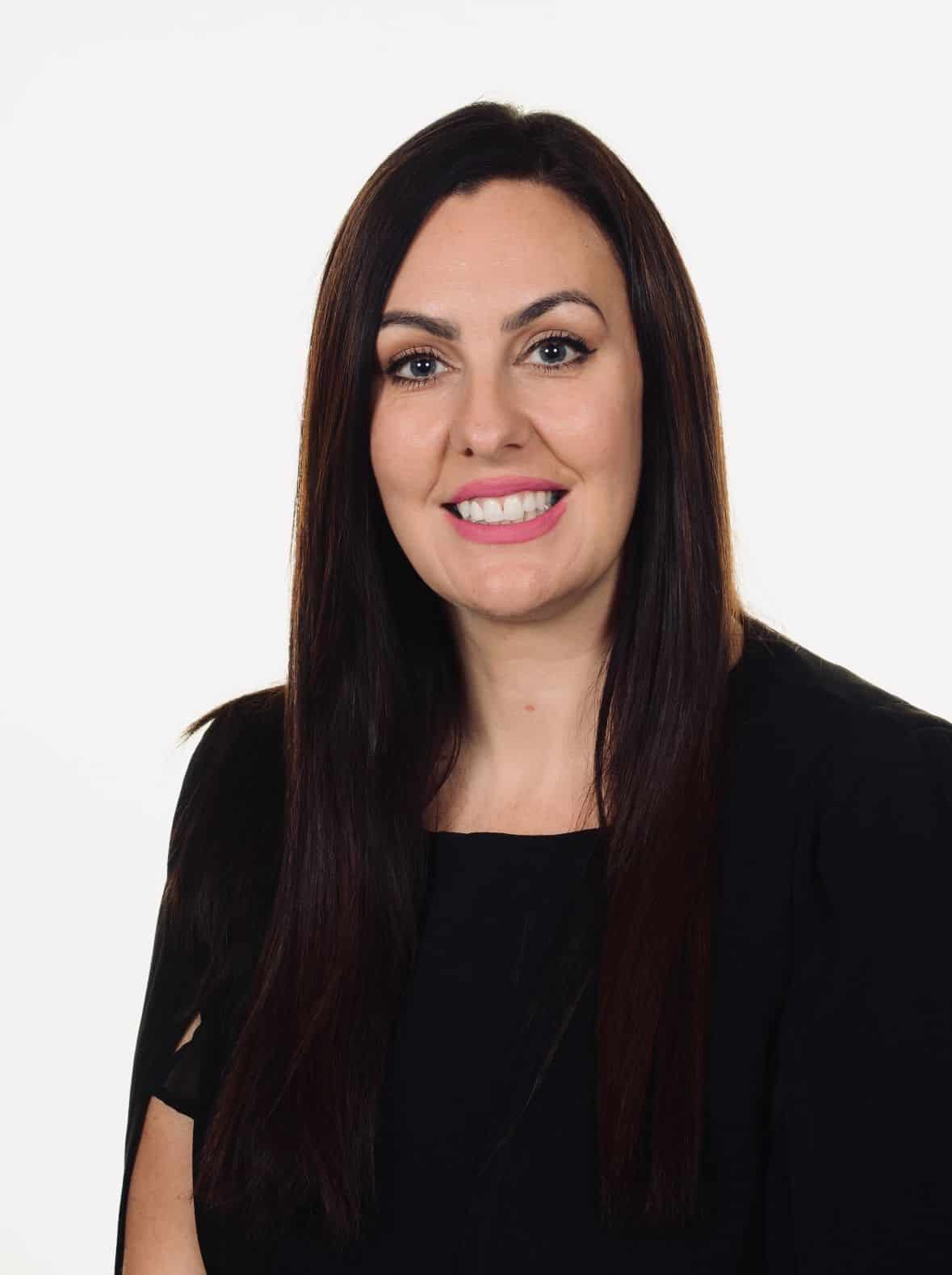
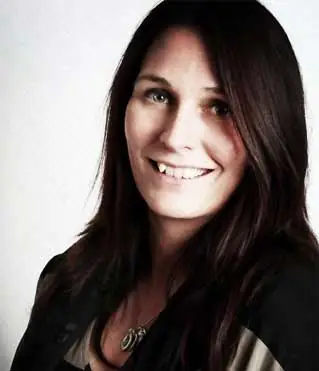
Marie founded the charity with her husband Ian, who passed away in 2020. She is the mother of four boys. Two of Marie’s sons have died from different types of brain tumours – Oscar who was 9 and Milo who was 5 years old. She is determined to help find better treatments for brain tumours so other children won’t have to go through what her own sons and her family have.
Marie is Chair of the Board of Trustees, working closely withe the team on strategy and vision. Marie lives in Copenhagen with her two other sons, Sebastian and Lucas, and works as a Risk Manager on the Danish railway.