Treatments for brain tumours

Available Treatments
If you’ve just heard the news that your child has a brain tumour, it is an incredibly daunting prospect. There’s a long road ahead, but you are not alone. We’re here to help you understand what’s going on. Knowing a little about the different treatments for brain tumours will help you make informed decisions about your child’s care.
Hopefully this section answers many of your questions, but don’t be afraid to ask doctors anything you don’t understand. A team of doctors and healthcare professionals will work together to make the best treatment plan for your child. This multidisciplinary team (MDT) will tailor the treatment to suit your child’s specific needs.
Each treatment plan is unique, and what works best for one child may not be right for another. A team of doctors and healthcare professionals will work together to make the best treatment plan for your child. They will tailor the treatment to suit your child’s specific needs.
The exact treatment plan depends on:
- The kind of tumour your child has
- What size the tumour is
- The grade (aggressiveness) of the tumour and how abnormal the cells look under a microscope
- Whether the tumour has spread
- The symptoms your child is showing
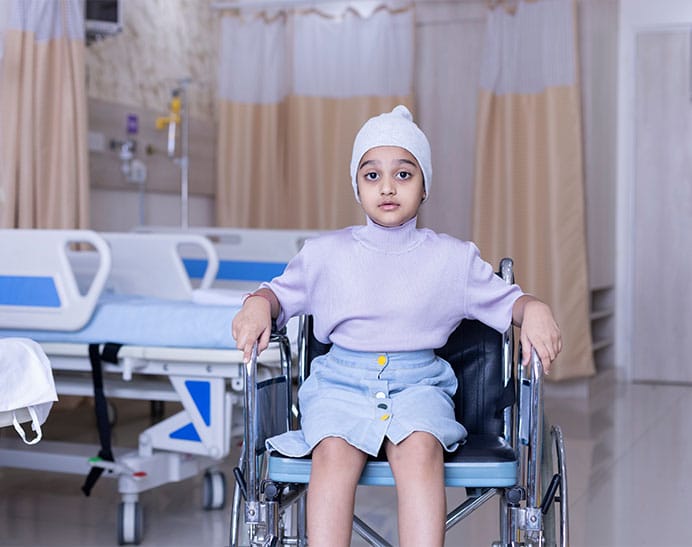
The main treatments for brain tumours are
Your child might have a combination of one or more of these treatments based on their specific needs. The suitability of these treatments may vary depending on your child’s tumour, and monitoring and scans may be the approach for some children.
Your child’s doctor will discuss the potential risks and benefits of all the treatments for brain tumours and your options with you before going ahead.
Who will be in my child’s medical team?
Your child’s multidisciplinary team (MDT) is a dedicated squad that will plan, provide, and support your child’s care. At the beginning, when your child’s diagnosis is new, you’ll meet quite a few people at the hospital and this can be a little daunting. You’ll probably get to know some of them better than others during your child’s treatment. The team may include:
- Specialist doctors and nurses
- Paediatric neurosurgeons - who specialise in children's brain and spinal cord surgery
- Paediatric neurologists - experts in children's brain health
- Paediatric neuro-oncologists - skilled in chemotherapy and radiotherapy
- Paediatric endocrinologists - who deal with hormones and puberty in kids and teens
- Neuro-radiologists - experts in brain and spinal cord scans
- Neuro-pathologists - specialists in brain and spinal cord diseases
- Palliative care specialists - helping manage symptoms
- Clinical nurse specialists - your child's main contact, linking everyone together
- Other Staff
- Physiotherapists - aiding in rehabilitation
- Child and adolescent psychologists - here for emotional and psychological support
- Play specialists - using fun activities to help your child cope during hospital stays
- Dietitians
- Speech and language therapists
- Radiographers
- Palliative care specialists - helping manage symptoms
- Clinical nurse specialists - your child's main contact, linking everyone together
- Social workers
- Occupational therapists - assisting with day-to-day activities
Some questions you may have for the medical team
You will have lots of questions regarding your child’s treatment, and that’s OK – your medical team are there to answer them. There are many treatments for brain tumours and complexities to understand. Consider bringing a notebook to your appointments to make notes so you don’t have to remember everything that is said. Some doctors will let you record the discussion as well – but make sure to ask permission first.
Here are some questions you may have about the various treatments for brain tumours:
- What are the treatment options?
- How do they work?
- What do you think is the best treatment for my child?
- What are the side effects?
- How often and how long will my child be in the hospital for?
- How will the treatment affect their normal life?
- How would the different treatments work?
- Where would they take place and for how long?
- What medical professionals will be involved?
- Who is usually in overall charge of my child’s treatment?
- Can I be present for any of the procedures?
- Will they still be able to go to school?
- What long-term effects will the tumour/treatment bring?
- Where do I go for financial support?
- How much can I be with my child during treatment?
- How do I find out about available clinical trials?
- What should I ask at follow-up appointments?
- What support services are available to my child and my family?