Building Better Support for Young People Living with and Beyond Brain Tumours

Research in York, near where Oscar used to live, explores the psychosocial effects of brain tumours on young people

Building better support

Every year in the UK, around 450 children are diagnosed with a brain tumour. Advances in treatment and care mean that more young people are now surviving than ever before. However, for many young people and families, the impact of a brain tumour extends far beyond treatment itself.

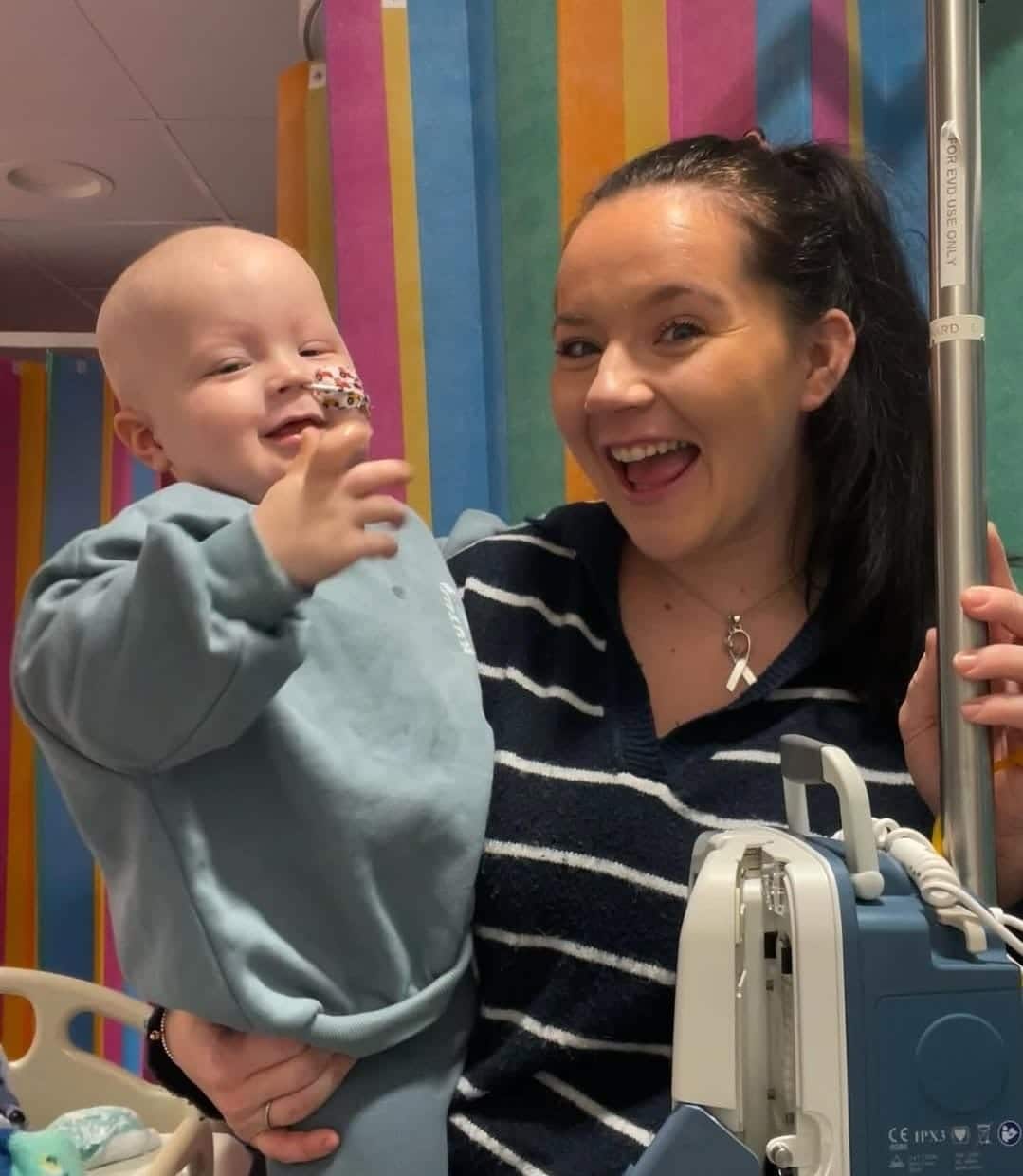
Oliver has grade 4 medulloblastoma
For many children, teenagers, and young adults affected by paediatric brain tumours, life after diagnosis can bring lasting emotional, psychological, and social challenges. Difficulties with confidence, friendships and relationships, education, mental health, and adjusting to everyday life can continue long after treatment ends, yet many young people tell us that they feel unheard and unsupported.
 
That’s why a research project at the University of York, funded by OSCAR’s Paediatric Brain Tumour Charity, is aiming to better understand the lived experiences of young people affected by paediatric brain tumours, directly from the young people themselves.


“Brain tumours affect more than just the physical, and effects reach far beyond treatment and hospital visits…”


Listening to Young Voices

The study, led by Dr Nicola O’Donnell at the University of York, will explore the psychosocial experiences of young people currently aged 13–29 who are living with or are survivors of paediatric brain tumours diagnosed under the age of 18. While much previous research has often focused on medical outcomes or the experiences of parents and carers, this project places young people’s own voices at the centre of the research.

Workshops

Through a series of creative workshops, participants will have the opportunity to share their experiences in safe, supportive spaces alongside peers who can relate to what they’ve been through. As well as contributing valuable insights to the research, these sessions can be therapeutic in their own right, with many young people saying it is the first time they have met someone else affected by a brain tumour.

Questions

The workshops explore important questions such as:
 
What psychological and social challenges do young people face after a brain tumour diagnosis?
 
How does treatment affect friendships, confidence, identity, and mental wellbeing?
 
What kinds of psychosocial support feel genuinely helpful?
 

What is currently missing from services and support systems?

The research team will use these insights to help co-design future support resources and interventions that are shaped by real lived experience. At the time of writing, the first focus group has taken place, bringing together four teenagers to share their experiences.

Uni of York

“The charity supporting research right here in the city Oscar lived in, a short walk from where he played tennis, where we did our first ever fundraising event, all to  make a difference to young people like him

…it feels pretty special.”

Co-Designing Better Support

A key part of the project is the use of a collaborative research approach called Experience-Based Co-Design (EBCD). Rather than researchers deciding what support young people need, young people will work alongside the research team to help shape future ideas and solutions together. Creative activities such as storytelling and idea-building workshops will allow young people to express what matters most to them.

Importantly, the project recognises that each individual’s experience is different. Young people with different tumour types, backgrounds, and life experiences will all bring valuable perspectives to the study.
 

Why This Research Matters
 
Young people living with and beyond cancer often face significant gaps in access to appropriate psychological and emotional support. This research aims to better understand those experiences and help inform support that feels more relevant, accessible, and responsive to young people’s psychosocial needs.
 
By understanding what young people want and need, the project hopes to lay the foundations for future evidence-based support programmes that can eventually be used across the NHS and beyond.
 
Most importantly, this work reminds us that survivorship is about more than just treatment success, it is about quality of life, emotional wellbeing, identity, connection, and feeling supported into the future.
Raising Awareness Through Animation
 
One exciting outcome of the project will be the development of an animated video co-created with young people affected by brain tumours.
 
The animation will help raise awareness of the hidden emotional and social impact of paediatric brain tumours and survivorship, helping families, healthcare professionals, schools, charities, and the wider public better understand these experiences.
 
By sharing these stories in an accessible and engaging way, the project hopes to shine a light on the long-term realities faced by many young people living with and beyond brain tumours.
Want to Take Part?
 
Recruitment for this study is still underway. The research team is seeking young people currently aged 13–29 who are living with or have survived a paediatric brain tumour, diagnosed before the age of 18, to take part in focus groups.
 
Taking part offers an opportunity for participants to share their stories, connect with others, and help shape the future of support for young people affected by brain tumours.
 
If you’re interested in finding out more, please contact Dr Nicola O’Donnell at the University of York via nicola.odonnell@york.ac.uk. 
Share:

Do you need any help or assistance?

Rachel James

Community Fundraising Assistant
Rachel will join our team on September 1st and will be doing a wide range of tasks including promoting the charity in the local community, developing relationships with different people and organisations, and finding new fundraising opportunities. She comes from a caring background having been a teaching assistant and emotional literacy support assistant in York for many years, and previously leading a community care team. She has also done many years of work in the voluntary sector.

Matthew Taylor

Trustee

Matthew Taylor is Director of the York Health Economics Consortium at the University of York. He has been a supporter of OSCAR’s since its inception and, through his twenty years of research into the measurement of health-related quality of life, Matthew is keenly aware of the huge benefits that new treatments can bring to people living with brain tumours.

Matthew is actively involved in national-level healthcare decision making, having had former roles as the Scientific Director of the National Institute for Health and Care Excellence (NICE)’s Economic and Methodological Unit and as a committee member for NICE’s Public Health Advisory Group. He has over fifty peer-reviewed scientific publications, including a chapter in the textbook ‘The Business, Policy and Economics of Neurosurgery’.

Ryan Mathew

Clinical Trustee

Ryan Mathew is an Associate Professor at the University of Leeds and an Honorary Consultant Neurosurgeon at Leeds Teaching Hospitals.

The Hughes Family story had a big impact on Ryan. He first learnt of the charity when he became surgeon to Oscar’s dad, Ian. After a successful surgery, he continued to show great care and concern for the family when Ian became ill again and when Milo, Oscar’s brother, was diagnosed with a brain tumour. Ryan is driven to make life outcomes better for brain tumour patients and their families. His extensive work in both research and surgery is testament to that commitment.

His clinical practice covers the full spectrum of general neurosurgery with a subspecialty in brain tumours. His research focuses on advanced brain tumour models, residual therapy-resistant glioma cell populations, local therapeutic treatments and surgical technologies and devices. He peer-reviews for several journals and grant award committees and has published numerous papers.

More information on Ryan’s work

Lisa Dawson

Trustee

Lisa has been a friend of the Hughes family since 2016 and was honoured to be asked in 2022 to represent OSCAR’s PBTC as Social & Digital Trustee.  Both Lisa and her family have taken part in numerous fundraising events and are dedicated to raising awareness of paediatric brain tumours.  Lisa is a social media content creator, blogger and writer and lives in York with her husband Joe and three children, Ella, Max and Leo.

Alice Beckwith

Trustee

Alice has been involved with OSCAR’s PBTC since 2020. She passionately supports the aims of the charity and believes that if the charity can change one life for the better, then it is a success. Working in the public sector for 18 years, Alice has helped transform Adult and Children’s Social Care Services by ensuring heavy investment in preventative services. This is why the impact OSCAR’s work will have on families is at the forefront of Alice’s motivation to be involved.

As partnerships trustee, Alice is keen to involve businesses, trusts and individuals in the work OSCAR’s does and show them the role they can have in providing the base for the charity to continue to expand its projects to help children with brain tumours.

Sarah Jane Gray

Trustee/Secretary

Sarah has over 20 years of experience in the pharmaceutical and surgical sales sector and is very familiar with the importance of medical advancements for better patient outcomes. She believes research is essential for improving diagnosis, treatment and prognosis for all children with brain tumours and hopes OSCAR’s PBTC can offer much needed funding to help push the boundaries in finding better ways of curing this devastating disease. Sarah’s focus as a treasurer will ensure record-keeping and accounts meet the conditions of the statutory bodies and compliance with regulatory organisations.

Holly Dixon

Trustee

Holly is mother to George, diagnosed with an ATRT brain tumour in 2022, and works as a primary school teacher. She believes that action to support others -however small- can make a massive difference.


She brings real-life experience of what it is like for a parent navigating everyday life, the NHS, the education system, questions from people and a lively young child with different needs.

meet the oscar's team

Sam Marino

Trustee

Marie Hughes

ChAIR OF THE BOARD OF TRUSTEES

Marie founded the charity with her husband Ian, who passed away in 2020. She is the mother of four boys. Two of Marie’s sons have died from different types of brain tumours – Oscar who was 9 and Milo who was 5 years old. She is determined to help find better treatments for brain tumours so other children won’t have to go through what her own sons and her family have.

Marie is Chair of the Board of Trustees, working closely withe the team on strategy and vision. Marie lives in Copenhagen with her two other sons, Sebastian and Lucas, and works as a Risk Manager on the Danish railway.