Our research partners at Great North Children’s Hospital are doing ground breaking work.
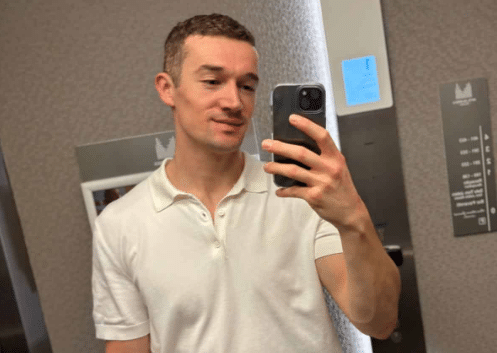
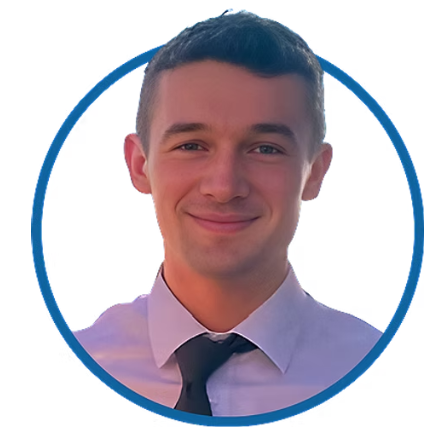
A day in the life… Alex Hagan
Alex Hagan is a researcher working on childhood brain tumour survivorship at Newcastle. With support from OSCAR’s funding, Alex dedicates his time to improving neurocognitive outcomes for young survivors through clinical data analysis, statistical research, and collaborative work with multidisciplinary teams.
09:00-11:00 – Survivorship Clinic Data:
I begin each day reviewing clinical data from our brain tumour survivorship clinic. These specialist clinics focus on improving quality of life and intellectual outcomes for childhood survivors of brain tumour.
I update and refine our research databases using neuropsychological data from these clinics alongside key clinical and demographic data (i.e. age at diagnosis, treatment modality). These databases inform real clinical decisions. They enable us to tailor treatment, monitor cognitive development, and ensure that every child receives evidence-based and personalised care that best supports their long-term development.
“OSCAR’s support makes this work possible,
enabling us to move beyond survival and focus on helping children live well after brain tumour treatment. “
11:00-13:00 – Statistical analyses:
I will use various statistical models to examine our data to explore key questions such as:
- How much do patients benefit from our survivorship interventions?
- Which clinical variables predict better outcomes?
- Does methylphenidate continue to preserve intellectual function years after treatment?
Each trend we discover contributes to improving survivorship care.
13:30-14:30: MDT & Educations Liaison
The work doesn’t stop with our databases. We liaise with our multidisciplinary team (MDT), including neuro-oncologists, neuropsychologists, nurses, social workers, to share our findings and discuss clinical implications.
Our work often extends beyond the NHS: we regularly speak with schools to discuss each child’s cognitive profile and how best to support their reintegration back into the classroom. We also share our findings with national Special Interest Groups, shaping UK-wide survivorship strategies.
14:30-17:00: Writing & Publishing our Work
Most afternoons are dedicated to writing and publishing our research. With OSCAR’s support, we have now published multiple papers demonstrating the long-term benefit of methylphenidate in preserving intellectual development in childhood brain tumour survivors.
Recently, we presented these findings at SIOPE Porto 2025, bringing our survivorship research to the international stage – a direct outcome of OSCAR’s funding.
OSCAR’s support makes this work possible, enabling us to move beyond survival and focus on helping children live well after brain tumour treatment. With continued funding, we can expand our work and ensure that no child’s future is limited by the effects of their tumour or treatment.
Thanks to OSCAR’s support, I am able to spend each day improving the neurocognitive outcome of childhood survivors of brain tumour.